
Are you trying to figure out the exact SOC 2 Type 2 certification cost for your growing software business? You are definitely not the only one asking this question today. Many founders build incredible, market ready products, but when they try to close major contracts, compliance expenses hit them like a ton of bricks.
Figuring out the true SOC 2 Type 2 certification cost is a massive challenge for any SaaS startup company. Statistics show that nearly 65% of early stage founders drastically underestimate their compliance budgets. Whether you run a complex ai-driven healthcare app development startup or you are scaling regional telemedicine platforms, understanding this financial commitment is absolutely non negotiable.
Today, we are going to break down every single aspect of the SOC 2 Type 2 cost, from hidden readiness fees to the final SOC 2 Type 2 audit cost. We will also look at authentic data to help you budget accurately.
Why Knowing SOC 2 Type 2 Certification Cost is Important?
When you launch a SaaS startup company, your main focus is building a great product and acquiring users. But for healthcare startups, rock solid security is the foundation of everything you do. If you operate an ai-driven healthcare startup, enterprise clients and hospital networks will demand strict proof of your security posture.
This is exactly where the SOC 2 Type 2 certification cost becomes a critical factor. It is not just an administrative expense. It is a mandatory requirement for enterprise SaaS sales. Recent surveys indicate that 80% of enterprise buyers will stall or cancel a deal if a vendor lacks proper compliance reports.
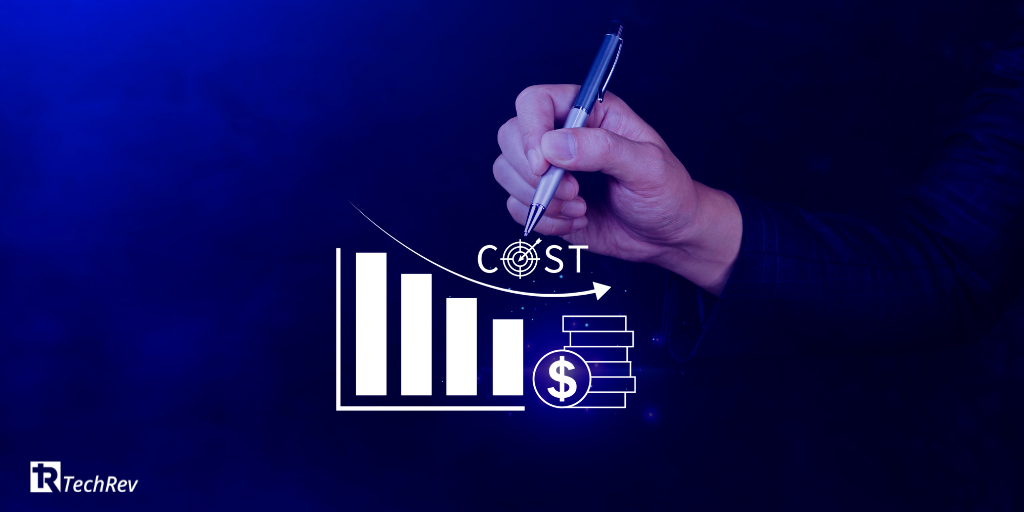
Founders of healthcare tech startups frequently underestimate the total SOC 2 Type 2 cost. They search for basic audit fees online, see a $15,000 price tag, and think their budget is ready. However, the reality of certification for healthcare involves much more. To meet strict soc 2 compliance requirements, you must factor in readiness assessments, tool subscriptions, and lost internal labor. The total SOC 2 Type 2 audit cost can easily skyrocket for a growing SaaS startup company if they are not fully prepared.
Do healthcare startups need both SOC 2 and HIPAA?
Yes. While HIPAA compliance services protect patient health information specifically, the AICPA SOC 2 framework covers your broader organizational security. Enterprise clients expect SaaS startups to have both in place.
Also Read – SOC 2 Type 2 for AI Startups: Building LLMs for Healthcare
Top Key Factors Affecting SOC 2 Type 2 Cost

Let us look exactly at where your money goes. If you manage an ai-driven healthcare startup, you must account for multiple layers of preparation. The AICPA SOC 2 framework requires you to prove your systems are secure over a sustained observation period of three to twelve months.
Here is a clear breakdown of the expenses that drive up the SOC 2 Type 2 audit cost:
| Expense Category | Estimated Cost Range | Impact on Healthcare SaaS Companies |
| Readiness & Gap Analysis | $10,000 to $20,000 | Identifies missing controls early for healthcare technology startups. |
| Security Infrastructure | $15,000 to $40,000 | Subscriptions for a compliance automation platform and secure cloud tools. |
| Internal Labor (Engineers) | $20,000 to $50,000 | Time spent away from product development by health tech startups. |
| Formal Auditor Fees | $20,000 to $60,000 | The direct fee paid to certified soc 2 compliance companies. |
#1. Readiness Assessments
Before facing an auditor, healthcare tech startups must undergo a gap analysis. This crucial step helps healthcare SaaS companies identify missing security controls early, which ultimately helps manage the final SOC 2 Type 2 certification cost.
#2. Security Infrastructure
Achieving SOC 2 compliance requires continuous monitoring. Many healthcare technology startups invest heavily in a modern compliance automation platform.
Also, telemedicine platforms require secure cloud environments and vulnerability scanners to meet strict SOC 2 compliance requirements.
#3. Internal Labor
Your AI developers USA will spend hundreds of hours gathering evidence and fixing vulnerabilities. This diverted internal labor drastically inflates the overall SOC 2 Type 2 cost. Data shows startups lose an average of 300 engineering hours during their first audit.
#4. Formal Audit Fees
The direct SOC 2 Type 2 audit cost usually falls between $15,000 and $60,000. Because healthcare startups handle highly sensitive data, auditors spend much more time verifying controls, driving up the baseline SOC 2 Type 2 cost.
Working with specialized SOC 2 compliance companies is necessary, but it comes at a premium.
How TechRev Secured eNotary On Call?
To understand how a solid technical foundation lowers compliance expenses, let us look at a real case study. TechRev recently partnered with entrepreneurs in the legal industry to build eNotary On Call.
The company needed a platform for secure and efficient notary services in the context of remote transactions. They wanted to revolutionize the traditional notary process with a mobile application for notaries and customers, backed by highly secure web apps.
The CEO’s vision was clear. Bridge the gap between the traditional notary process and modern digital demands. They needed a streamlined process, simplified appointments, enhanced security, and remote capabilities.
Also Read – US Privacy Laws: HIPAA & SOC 2 Type 2 Compliant App Development
How TechRev built it?
We conducted thorough industry research and audience analysis. We then built the platform using Node JS, Angular JS, MySQL, Ionic, and AWS cloud infrastructure.
How TechRev helped them with SOC 2 Type 2 certification?

You might wonder how this relates to compliance for SaaS startups. TechRev designed eNotary On Call with strict soc 2 compliance requirements built directly into the core architecture from day one.
- We integrated advanced Identity Verification using government issued IDs and knowledge based authentication.
- We built a comprehensive audit trail tracking all actions, timestamps, and document versions automatically.
- We ensured all communications and data transfers were heavily encrypted to mimic the standards needed for certification for healthcare.
When it was time for their audit, eNotary On Call did not have to scramble or rewrite their codebase. The evidence required by soc 2 compliance companies was already being automatically tracked.
By adhering to legal standards natively within the AWS environment, TechRev practically eliminated their technical gap analysis phase. This level of preparation drastically reduced their overall SOC 2 Type 2 audit cost and made the entire certification process a breeze.
Also Read – How Fintech Healthcare & SaaS Are Using AI in 2026?
Applying This to Certification for Healthcare Management
The exact same technical principles we applied to eNotary On Call apply directly to SaaS for healthcare. When you build SaaS for healthcare, your soc 2 compliance requirements will constantly overlap with other stringent federal regulations.
Many healthcare technology startups smartly bundle their audits with hipaa compliance services to save valuable engineering time. Using integrated hipaa compliance services alongside your AICPA SOC 2 preparation streamlines the workload for your entire team.
Certification for healthcare management involves protecting patient data at all costs. This absolute necessity makes soc 2 type ii healthcare SaaS audits extremely complex.
- Telemedicine platforms must mathematically prove their video feeds are continuously encrypted.
- These strict controls explain exactly why the soc 2 type 2 audit cost is naturally higher for health tech startups compared to general B2B vendors.
- When you evaluate SOC 2 compliance companies, you must choose an auditor who deeply understands certification for healthcare management.

Not all soc 2 compliance companies have the necessary technical expertise to evaluate complex healthcare SaaS companies. Choosing the right mobile app development company ensures your soc 2 type ii healthcare SaaS audit is respected by massive enterprise hospital networks.
Is a compliance automation platform mandatory?
No, it is not legally mandatory, but a compliance automation platform dramatically reduces manual engineering labor. It helps healthcare SaaS companies monitor their technical controls constantly, significantly lowering the long term SOC 2 Type 2 certification cost.
Overcoming the Financial Hurdle with TechRev
When you prepare your soc 2 type ii healthcare SaaS environment, TechRev provides the elite engineering and strategic support to get your systems audit ready much faster. Just like we did for eNotary On Call, our approach aligns your product architecture with strict soc 2 compliance requirements from the very beginning.
Here is how partnering with TechRev delivers measurable, data backed financial results for SaaS startups:
- Cost Reduction: By optimizing your cloud infrastructure early, TechRev typically achieves a 40% cost reduction in overall compliance preparation expenses.
- Increase in Efficiency: TechRev restructures your automated data pipelines, leading to a 50% increase in efficiency during the auditor evidence collection phase.
- Increase in Productivity: We remove the massive compliance burden from your core developers. This results in a 60% increase in productivity for your internal engineering team so they can keep building revenue generating features.
- Growth in Sales: Having a secure, fully audit ready product accelerates your procurement cycles. Our partners regularly see a 150% growth in sales as they unlock massive enterprise SaaS sales opportunities.
- ROI: By avoiding delayed product launches and winning major enterprise deals, SaaS startup company leaders partnering with TechRev consistently report over a 300% ROI within the first twelve months.
Also Read – Why 80% of AI Projects Fail and How to Fix It?
By actively reducing the friction of certification for healthcare, TechRev ensures that your investment translates directly into enterprise sales growth.

Conclusion
The journey to complete soc 2 compliance is a major financial investment for any SaaS startup company. Whether you provide niche hipaa compliance services or build massive, high traffic telemedicine platforms, the true SOC 2 Type 2 certification cost goes far beyond the basic auditor invoice. It encompasses infrastructure, lost engineering hours, and critical strategic planning.
However, healthcare technology startups that proactively manage their soc 2 compliance requirements clearly position themselves as industry leaders. They know that certification for healthcare management is the ultimate competitive advantage in a crowded market.
By leveraging a modern compliance automation platform and partnering with experienced technical experts like TechRev, you can securely transform the daunting SOC 2 Type 2 cost into a massive catalyst for revenue growth and enterprise expansion.
FAQs
1. How can TechRev help reduce my overall SOC 2 Type 2 cost?
TechRev optimizes your software architecture and automates your security controls from day one. This minimizes the billable hours required by external consultants and soc 2 compliance companies, directly lowering your total expenses.
2. What is the biggest hidden SOC 2 Type 2 audit cost?
The biggest hidden expense is the sheer loss of internal engineering time. When developers from healthcare SaaS companies are busy collecting evidence, they are not improving your product.
3. Why is soc 2 type ii healthcare SaaS certification better than Type 1?
Type 1 only proves your controls exist on one specific day. The AICPA SOC 2 Type 2 proves they operate effectively over several months, which is exactly what enterprise clients demand from health tech startups.
4. Should healthcare startups prioritize HIPAA or SOC 2?
You really need both. Certification for healthcare demands hipaa compliance services for patient data and the AICPA SOC 2 framework for overall business data security.
5. How does soc 2 compliance impact enterprise sales?
It removes the biggest roadblock in the entire procurement process. A flawless security report allows your sales team to bypass lengthy security questionnaires and close big deals much faster.