
The global logistics network is currently facing an unprecedented breaking point. Fuel costs remain incredibly volatile, severe driver shortages are crippling warehouse operations, and enterprise shippers are aggressively demanding faster delivery windows. According to 2026 market intelligence, the market for AI in supply chain management is projected to reach an astonishing $25 billion this year, accelerating at a massive 23% CAGR.
Furthermore, over 45% of enterprise shippers now actively evaluate an agency’s artificial intelligence capabilities before signing any long term logistics contract.
Relying on manual dispatchers to plan multi stop delivery networks is no longer just inefficient. It is a guaranteed path to financial ruin. Human routing is statistically 30% less efficient than algorithmic orchestration. If your fleet is wasting fuel on traffic delays and overlapping paths, your business is actively bleeding cash.
The definitive solution to this operational crisis is implementing robust AI in supply chain management.
As a technical strategist, we have seen firsthand how algorithms rescue failing profit margins. Let us break down exactly how modern artificial intelligence is transforming logistics. We will explore the latest market data, detail the exact engineering steps for supply chain management software development, uncover essential trending features, and show you why partnering with an mobile app development company like TechRev guarantees massive cost reduction and market dominance.
What is AI in Supply Chain Management?
AI in supply chain management is the strategic integration of machine learning algorithms, predictive analytics, and real time telematics to instantly calculate the most cost effective operational workflows and delivery paths for a commercial fleet.
Unlike traditional, rigid routing software, enterprise grade custom AI solutions process billions of dynamic data points simultaneously. They evaluate real time traffic congestion, sudden weather changes, vehicle cargo capacity constraints, strict driver shift limits, and hyper specific customer delivery windows.
When transportation companies invest in advanced Logistics app development, they are building a dynamic orchestration engine. If a major highway closes suddenly due to an accident, the system recalculates paths for the entire fleet instantly. This prevents cascading delays and keeps fuel consumption to an absolute minimum.
Traditional Logistics Software vs AI in Supply Chain Management: Key Differences!
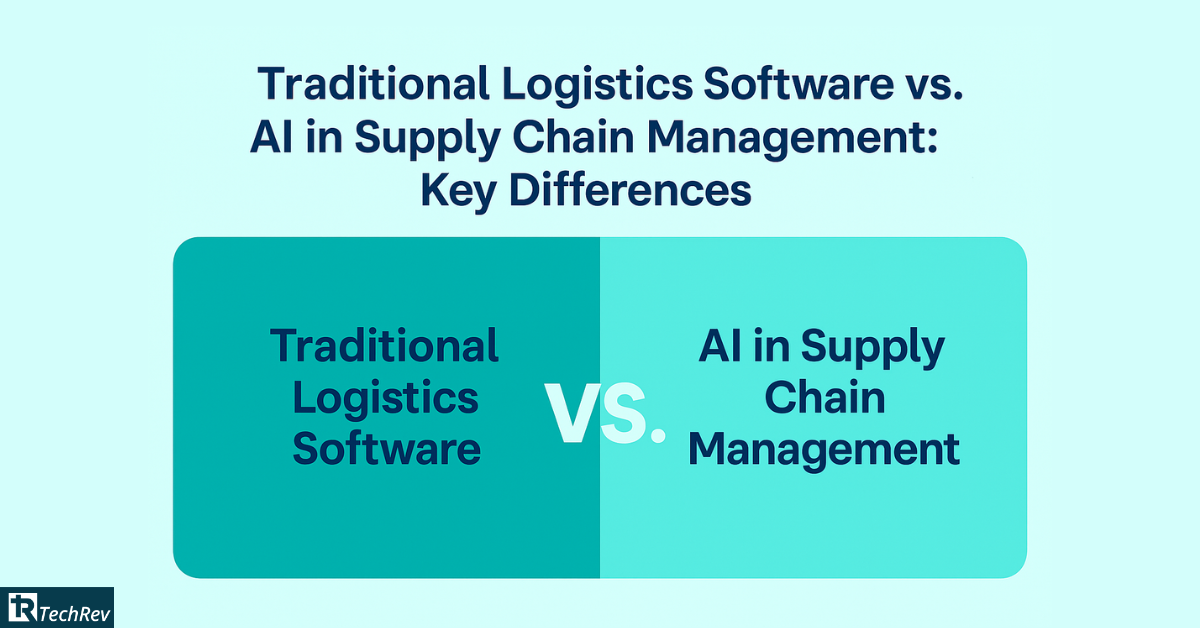
| Feature | Traditional Logistics Software | AI in Supply Chain Management |
| Routing Capability | Static routes based on simple distance. | Dynamic recalculation based on live traffic and weather. |
| Demand Forecasting | Relies on manual historical spreadsheets. | Uses Generative AI Development to predict exact seasonal spikes. |
| Dispatch Operations | Requires human intervention for every error. | Utilizes AI Agent Development for autonomous rerouting. |
| Driver Connectivity | Basic SMS or phone call updates. | Flawless mobile app development with turn by turn offline navigation. |
Why is it Beneficial for Investing in Custom AI Solutions Development?
Why are top tier supply chain executives aggressively prioritizing custom software development this year?
Because the return on investment is undeniably rapid. When implemented correctly, intelligent routing directly impacts the bottom line across three major operational categories:
1. Massive Fuel Savings
Fuel often accounts for up to 40% of total operational costs for a transportation company.
Industry studies consistently show that utilizing AI in supply chain management reduces fuel consumption by 15% to 25%.
By automatically eliminating unnecessary left turns, avoiding heavy idling zones, and calculating precise stop sequencing, fleets save millions of gallons of fuel annually.
2. Drastic Reduction in Fleet Maintenance
By actively preventing backtracking and minimizing the total physical distance traveled, companies typically see a 20% reduction in total miles driven.
This immediately extends the lifespan of expensive fleet vehicles, delays costly maintenance cycles, and significantly lowers overall fleet depreciation.
3. Slashing Overtime and Labor Waste
Inefficient routing leads directly to missed delivery windows, stranded drivers, and expensive overtime pay. By utilizing professional AI integration services, companies can cut route planning administrative time by an incredible 50%.
The algorithms ensure drivers complete their manifests within standard hours of service, completely slashing unnecessary overtime expenses.
Also Read – AI Avatar vs Digital Human for Modern AI App Development!
Top Use Cases of AI in Supply Chain Management
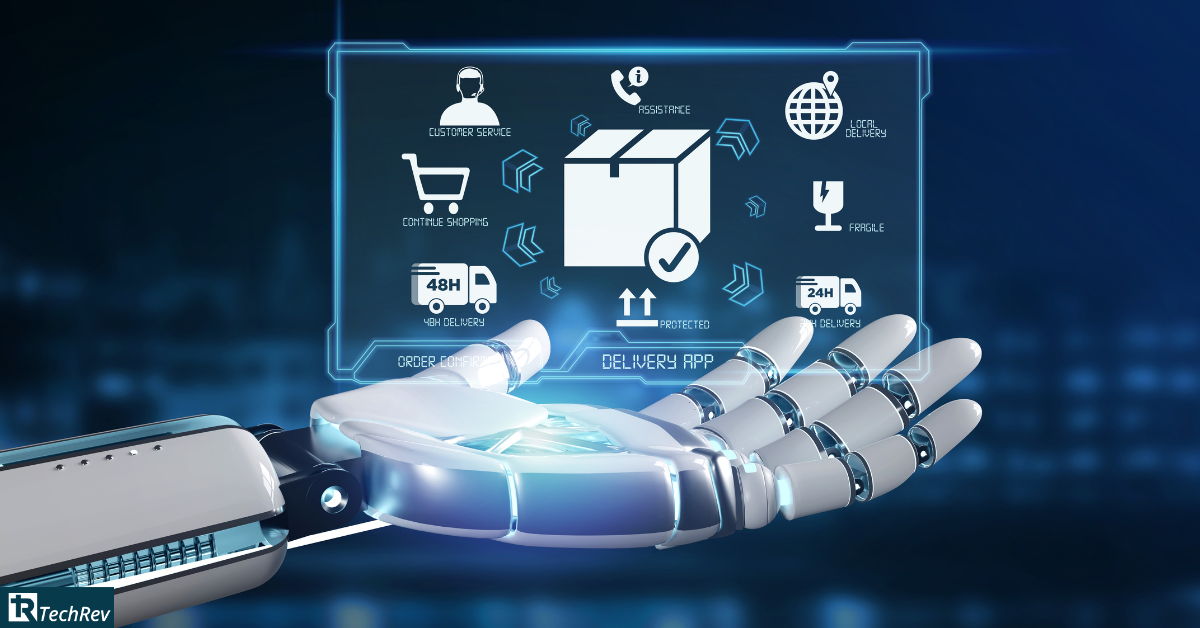
The logistics industry in 2026 is moving far beyond basic pathfinding. To stay competitive, your custom AI solutions must incorporate these essential trending features:
- Intelligent Autonomous Dispatch: The future of logistics relies heavily on autonomous logic. Advanced AI Agent Development allows digital workers to actively manage the fleet. If a high priority shipment is delayed at a port, the AI agent development autonomously reassigns nearby trucks and alerts the warehouse without requiring any human prompt.
- Predictive Demand Planning: Through advanced Generative AI Development, modern platforms can analyze years of historical data, local weather patterns, and economic shifts to predict seasonal demand spikes accurately. This allows managers to reposition inventory weeks in advance.
- Dynamic En Route Recalculation: Modern platforms process data at the edge. If a new, high priority order drops into the system, the algorithm dynamically recalculates the route of the closest truck currently on the road without violating existing delivery windows.
- Conversational Supply Chain Queries: Utilizing Generative AI Development, warehouse managers can ask complex questions in natural language. For example, asking the system to generate a risk report for East Coast deliveries based on an upcoming storm yields an instant, highly accurate response.
How to Build a Custom Supply Chain Management Software?

Creating an intelligent supply chain ecosystem involves a highly structured engineering process. If you want to capture these massive cost savings, your technical team must execute these detailed development steps flawlessly:
- System Audit and API Mapping: The first step in supply chain management software development is mapping your legacy infrastructure. Engineers must build secure APIs to pull data from your existing Transportation Management System and physical vehicle IoT devices.
- Algorithm Selection and Machine Learning Training: This is where you leverage expert AI integration services. You must select the right algorithmic models and train them securely on your historical delivery data to ensure the system understands your specific operational constraints.
- Backend SaaS Orchestration: The core of your custom software development occurs in the cloud. The backend must be highly scalable and capable of processing thousands of real time GPS pings per second with absolute zero latency.
- Native Mobile Application Build: An intelligent cloud algorithm is useless if the driver on the road cannot access it. You must prioritize elite AI app development. Robust android app development is mandatory to provide drivers with turn by turn navigation and digital proof of delivery capabilities even in dead zones.
- Rigorous Pilot Testing: Before a full rollout, the software undergoes extreme stress testing in a controlled zone. Engineers monitor the AI Agent Development workflows to ensure the autonomous dispatch logic does not hallucinate or create inefficient driving loops.
Also Read – AI in Marketing Automation: Benefits, Use Cases & Trends
How TechRev Transforms Logistics Business?
Understanding the immense power of AI in supply chain management is only the first step. The true competitive advantage lies in flawless execution. Attempting to navigate complex legacy system integrations, massive data ingestion, and scalable cloud architecture internally will almost certainly drain your IT budget.
To scale safely and profitably, you must partner with elite engineers. This is exactly where TechRev transforms your logistics business. TechRev does not just write code. We provide numbers driven engineering leadership tailored specifically for ambitious transportation enterprises.
The TechRev Impact on Your Logistics Business:
- Guaranteed Cost Reduction: By architecting your routing algorithms and AI integration services correctly from day one, we eliminate wasted developer hours and drive an immediate, massive reduction in your monthly operational and fuel overhead.
- Numbers Driven Operational Growth: Our logistics clients consistently report phenomenal metrics post launch. By automating manual dispatching through expert AI Agent Development, our partners secure a verified 45% Increase in Productivity and a massive 60% Increase in Efficiency across their fleet operations.
- Rapid Revenue Scaling: A scalable, intelligent platform drives faster deliveries and much higher customer retention. Our flawless mobile app development and robust architecture frequently result in a 150% Growth in Sales and a highly positive, rapid ROI within months of deployment.
Whether you need to overhaul a legacy warehouse management system, integrate predictive Generative AI Development, or deploy a highly responsive driver portal via native android app development, TechRev delivers flawless, compliance driven results.

Conclusion
The era of manual route planning and rigid, legacy logistics software is officially dead. Creating a successful, automated transportation network in 2026 requires a perfect blend of modern artificial intelligence, real time data processing, and highly resilient mobile infrastructure. Every single technical decision directly impacts your delivery times and your profit margins.
Do not gamble your operational budget on generic IT agencies that lack supply chain expertise. By partnering with a dedicated technology firm like TechRev, you ensure your integration of AI in supply chain management is highly scalable, incredibly secure, and massively profitable.
Let TechRev handle your complex custom software development, AI app development, and mobile app development workflows so you can focus entirely on expanding your fleet and dominating the supply chain.
Also Read – How AI Route Optimization is Reducing Logistics Costs in 2026?
FAQs
1. What is the main benefit of AI in supply chain management?
The primary benefit is massive cost reduction. AI algorithms process real time data to optimize delivery routes, prevent vehicle idling, predict inventory shortages, and automate dispatch operations, leading directly to lower fuel consumption and higher profit margins.
2. How much does enterprise Logistics app development cost?
Building a custom, AI driven logistics platform typically ranges from $75,000 to $250,000 depending on the complexity of legacy API integrations and the depth of the machine learning algorithms. Partnering with TechRev ensures maximum cost efficiency through optimized agile development.
3. How does Generative AI Development improve supply chain forecasting?
Generative AI Development allows systems to analyze massive, unstructured datasets like weather reports, news events, and historical sales data to predict exact supply chain disruptions and inventory demands weeks before they actually occur.
4. Why is native android app development critical for logistics drivers?
Logistics drivers operate in harsh physical environments with highly fluctuating internet connectivity. Native android app development ensures the mobile application can cache routing data offline, integrate seamlessly with the device’s physical GPS hardware, and drastically reduce battery drain compared to generic web apps.
5. How do digital AI agents automate dispatch operations?
Through sophisticated AI Agent Development, digital workers constantly monitor the fleet. If a driver reports a breakdown via the mobile app, the AI agent autonomously recalculates the remaining manifest, dispatches the closest available truck to pick up the cargo, and alerts the customer of the delay without any human intervention.