

Are you preparing to launch a highly secure medical application this year? The global healthcare cloud computing market is exploding. According to 2026 market intelligence, the sector is projected to reach an astounding $251 billion by 2034. As a technical leader, your most critical foundational decision is choosing the right infrastructure to host your patient data. The ongoing debate of AWS vs Azure vs Google Cloud is more relevant today than ever before.
Picking the wrong cloud provider does not just waste your IT budget. In the highly regulated medical sector, a poorly configured server leads directly to massive HIPAA compliance fines and catastrophic data breaches. So, how do you decide? Are you leaning towards the dominant 31% market share of Amazon, or are you comparing windows azure vs aws for seamless enterprise integration?
Let us break down this complex decision. We will deeply analyze the key differences, explore new trends in AI agent development, outline the major migration challenges, and show you exactly why you need to hire AI developers from TechRev to ensure your platform scales securely and profitably.
The Healthcare Cloud Landscape and New Trends

Before we compare specific features, you must understand what modern medical platforms actually require today. Modern Healthcare app development is far more demanding than simple file storage.
If you are building a modern medical portal, you need an infrastructure that supports complex SaaS development, flawless data encryption, and instant mobile access through native Android app development. Furthermore, modern hospitals are demanding next generation tools. Here are the essential trending features driving cloud adoption right now:
- Multi Agent Collaboration: Modern clinical workflows rely on robust AI agents development. Multiple digital workers collaborate instantly to cross reference patient records and verify insurance codes.
- Contextual Gen AI Diagnostics: Cloud platforms must support intensive Gen Ai Development. This allows artificial intelligence to summarize complex patient histories and assist doctors in real time diagnostic imaging.
- Proactive Vital Sign Alerts: Cloud networks must process data rapidly from remote monitors, using autonomous logic to flag critical health declines instantly.
- Intelligent Patient Support: Modern clinics require secure AI Chatbot development to handle 24/7 patient scheduling and prescription refills without human intervention.
Does the choice between azure vs aws vs google cloud really impact these advanced features?
Absolutely. Each platform specializes in different aspects of medical technology.
AWS vs Azure vs Google Cloud: Key Comparison!
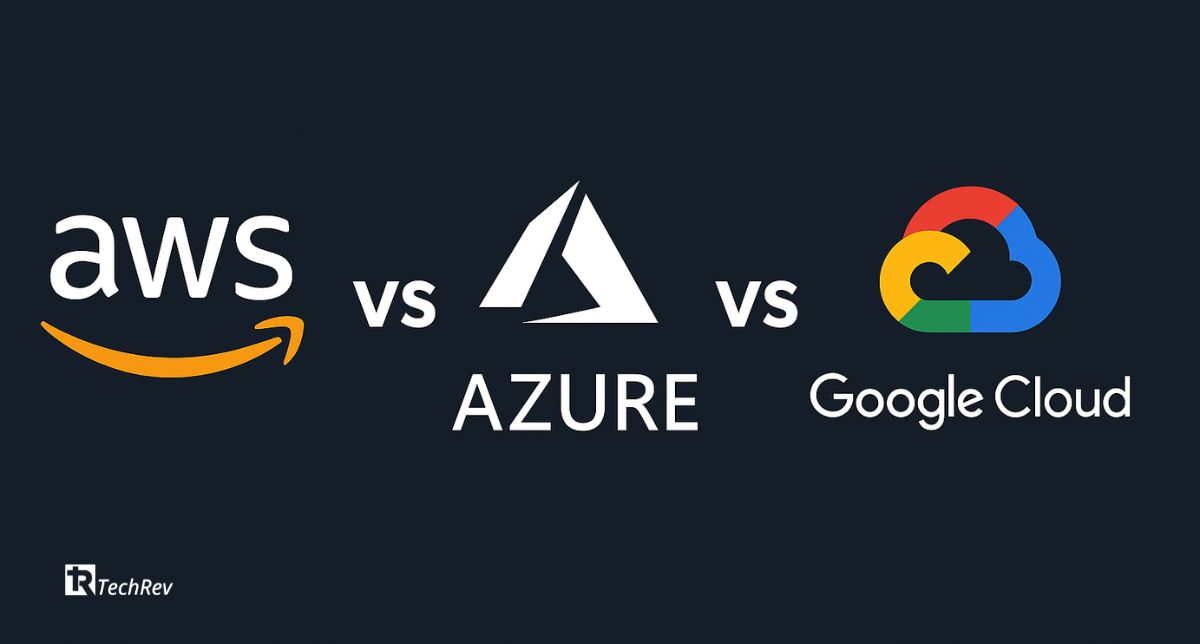
To make an informed decision for your Healthcare app development project, we must look closely at the five core differences between these hyperscalers. Here is the ultimate breakdown of AWS vs Azure vs Google Cloud for medical compliance and performance.
- HIPAA Compliance and BAA Management
All three providers will sign a Business Associate Agreement, which is mandatory for healthcare. However, the execution differs significantly. AWS provides the absolute largest catalog of specifically HIPAA eligible services, giving engineers massive flexibility.
When comparing AWS vs Azure, Microsoft Azure integrates its compliance seamlessly into existing Office 365 hospital environments. Google Cloud excels at securing massive data lakes, but AWS remains the gold standard for sheer volume of compliant tools.
- Enterprise Ecosystem Integration
If your hospital already runs heavily on Microsoft software, the windows Azure vs AWS debate is usually very short. Azure offers hybrid cloud capabilities through Azure Arc, allowing seamless bridging of on premise hospital servers with the cloud.
If you rely heavily on Microsoft Active Directory and Teams, Azure is the natural, frictionless choice. AWS and Google Cloud require more complex configurations to achieve that exact level of enterprise desktop integration.
- Artificial Intelligence and Analytics
The future of medicine relies on automation. When evaluating azure vs aws vs google cloud for AI, Google Cloud is widely considered the deep tech leader. Google Vertex AI is perfect for analyzing thousands of medical documents via Generative AI Development.
However, AWS counters with Amazon Bedrock, allowing developers to switch between various AI models easily. Azure holds a massive advantage if your AI agents development relies specifically on OpenAI and GPT models.
- Native Mobile and Application Support
Your doctors and patients will interact with your system via smartphones. AWS offers robust backend tools specifically designed to accelerate native Android app development and iOS portals.
While all three support robust SaaS development, AWS Amplify provides incredible out of the box tools that make full stack Healthcare app development significantly faster than the native mobile tools offered by Google or Azure.
- Pricing Structure and Market Share
When looking strictly at the azure vs aws pricing models, things get complicated. AWS leads the market with roughly a 31% share and requires you to commit to a specific volume over several years to get the best discounts.
Azure holds a 25% share and allows you to bring your existing Windows Server licenses to the cloud, offering up to a 40% discount compared to AWS. Google Cloud holds roughly a 13% share and offers automated sustained use discounts without requiring long term contracts, making it highly attractive for agile healthcare startups.
Moving on, let’s quickly discuss,
Major Challenges in Cloud Migration
Executing a healthcare cloud migration is fraught with technical hurdles. You cannot simply copy and paste patient files into a new server. Here are the major challenges clinics face during migration:
- Strict Regulatory Compliance: Ensuring that data remains encrypted during transit is incredibly difficult. A single misconfigured bucket can violate SOC 2 and HIPAA rules immediately.
- Interoperability and FHIR: Moving legacy databases into modern structures requires mapping data to the Fast Healthcare Interoperability Resources standard.
- Vendor Lock In: Designing your SaaS development architecture too closely to one specific provider makes it incredibly expensive to switch later.
- High Egress Fees: Extracting large volumes of medical imaging data out of the cloud can trigger massive, unexpected billing fees.
Key Development Steps for a Secure Cloud Migration
Because of these massive challenges, your migration strategy must be flawless. Here are the key development steps for a successful healthcare transition:
- Technical Audit and BAA Signing: Analyze your existing infrastructure to identify compliance gaps, and sign a strict Business Associate Agreement with your chosen cloud provider.
- Data Mapping and Encryption Strategy: Map out exactly how sensitive electronic Protected Health Information will be encrypted both at rest and in transit.
- Secure SaaS Development Execution: Rebuild your legacy applications using modern, cloud native architecture to ensure they scale securely.
- AI and Automation Integration: Deploy your custom Chatbot app development and smart logic tools to automate clinical workflows.
- Rigorous Penetration Testing: Subject the entire new environment to extreme security testing before allowing any live patient data to enter the system.
How TechRev Drives Guaranteed Business Growth Via Cloud Services?
Choosing the winner in the AWS vs Azure vs Google Cloud debate is only half the battle. Executing the migration safely is where most healthcare startups fail. This is exactly why you need TechRev.
We are elite specialists in highly secure SaaS development and advanced Healthcare app development. When you hire AI developers from TechRev, you receive seasoned architects who understand exactly how to optimize your chosen cloud infrastructure.
What specific benefits will you get from TechRev?
We engineer highly profitable business solutions driven by hard numbers. By optimizing your cloud infrastructure and deploying automated Gen Ai Development tools, TechRev guarantees a massive, immediate cost reduction in your monthly IT overhead.
Our medical clients consistently report phenomenal metrics post launch:
- 150% Growth in Sales as their highly secure platforms attract major enterprise hospital contracts.
- 45% Increase in Productivity because our custom AI agents development eliminates manual clinical data entry entirely.
- 60% Increase in Efficiency across administrative teams through smart Chatbot app development for 24/7 patient scheduling.
- A rapid, highly positive ROI achieved by completely eliminating wasted server space.
Whether you need a massive SaaS development overhaul or a highly responsive mobile portal via expert Android app development, TechRev delivers flawless, compliance driven results on any cloud platform.

Conclusion
The complex AWS vs Azure vs Google Cloud landscape requires a deep understanding of your unique clinical goals. Whether you are leaning towards the vast ecosystem of AWS, comparing windows azure vs aws for enterprise alignment, or looking to Google Cloud for deep data analytics, the foundation you choose dictates your future scalability.
Do not risk your patient data or your operational budget on generic coding firms. By choosing to hire AI developers USA from a dedicated technology agency like TechRev, you ensure your Healthcare app development project is highly secure, fully compliant, and incredibly profitable.
We seamlessly integrate Gen AI Development, custom Chatbot app development, and robust SaaS development into your chosen cloud environment. Protect your digital infrastructure and accelerate your medical business with TechRev today.
FAQs
1. Which cloud is best for a healthcare startup: azure vs aws vs google cloud?
For agile startups focused heavily on advanced data analytics and flexible pricing, Google Cloud is excellent. For startups needing the widest variety of managed services and third party clinical integrations, AWS remains the absolute top choice.
2. Does windows azure vs aws matter if we do not use Microsoft products?
If you do not use Microsoft enterprise products like Office 365 or Active Directory, the specific benefits of Azure decrease significantly. In a purely open source environment, AWS often provides better community support and a wider array of flexible developer tools.
3. How does Gen Ai Development impact my cloud choice?
Gen Ai Development requires massive compute power. Google Cloud offers specialized TPUs designed specifically for AI training, while Azure offers direct integration with OpenAI.
AWS provides a model agnostic approach via Amazon Bedrock, letting you choose the absolute best AI engine for your specific medical application.
4. Is Android app development easier on AWS or Google Cloud?
While Google created the Android operating system, AWS actually offers incredibly robust backend services like AWS Amplify. These tools make syncing databases to native Android app development projects exceptionally fast and secure for sensitive healthcare tools.
5. Why should a medical clinic hire AI developers externally?
Medical compliance is strictly unforgiving. You must hire AI developers externally to ensure your AI agents development and Chatbot app development strictly adhere to HIPAA and SOC 2 security standards.
External experts prevent catastrophic data leaks, lower your development costs, and accelerate your time to market.